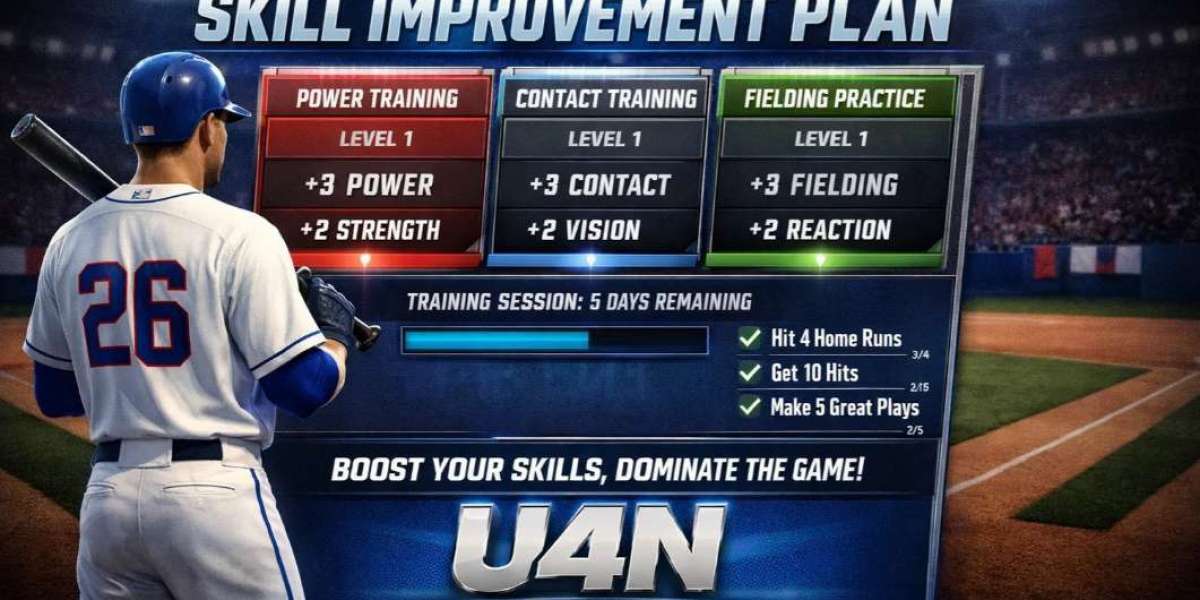

If you’ve spent any time playing MLB The Show 26, you’ve probably realized that mastering the game’s mechanics takes time and effort. Whether you’re new to the series or looking to step up your game, there are key areas to focus on to really improve. This guide will walk you through the process of building a skill improvement plan that can help you become a better player in MLB The Show 26.
What should I focus on first to improve my skills?
When you're just starting out, or even if you've been playing for a while, it’s essential to break down the game into core areas. The main aspects of MLB The Show 26 that you need to focus on are:
Batting
Pitching
Fielding
Base Running
Each of these areas requires different strategies and attention. Let’s dive into each one and discuss how you can approach improving.
How can I improve my batting?
Batting is often one of the most challenging aspects of MLB The Show, especially when playing against skilled AI or online opponents. To get better at hitting, here are some practical tips:
Understand Timing The most important skill in batting is timing. You need to learn when to swing for different types of pitches. In MLB The Show 26, the pitch types and speed can vary significantly. Spend some time in the batting practice mode to get used to the timing windows for fastballs, curveballs, sliders, and changeups.
Use the Right Batting Interface MLB The Show 26 offers different batting interfaces like “Zone Hitting” and “Directional Hitting.” Try both out and see which one works best for you. If you’re new to the game or struggling to make contact, you might want to start with the more forgiving “Directional Hitting” before moving to the more advanced “Zone Hitting.”
Focus on Pitch Recognition Knowing what kind of pitch is coming before it crosses the plate will help you react in time. Learn to read the pitcher’s patterns and look for signs, like the wind-up or release point, that give clues about the pitch type. Practice makes perfect here, and the more you play, the more you’ll learn to read pitches effectively.
Work on Plate Discipline Don’t just swing at every pitch. MLB The Show 26 rewards players who are patient and selective. Practice holding off on pitches that are outside the strike zone, and only swing at pitches you know you can hit effectively.
How can I improve my pitching?
Pitching is a skill that can make or break a game in MLB The Show 26. It’s not just about throwing strikes but mixing up your pitches and keeping the batter guessing. Here’s how you can improve:
Learn Your Pitcher's Arsenal Every pitcher in MLB The Show 26 has a unique set of pitches. Familiarize yourself with each of your pitcher’s pitches and learn how to use them strategically. A good pitcher knows when to throw a fastball, when to drop in a curveball, or when to mix in a changeup to throw the batter off balance.
Master Pitch Placement The placement of your pitches is just as important as the type of pitch you throw. Focus on hitting the edges of the strike zone. Don’t always aim for the middle—batters can crush those pitches. Instead, try aiming for corners or low and away. This can help keep hitters off balance and induce weaker contact.
Use Pitching Cues and Feedback Pay attention to the feedback you get after each pitch. MLB The Show 26 gives you feedback on pitch location, speed, and movement. If a batter fouls off your pitches repeatedly, adjust. If you’re getting crushed, consider changing your approach, pitch type, or location.
Work on Pitching Stamina and Consistency Make sure to manage your pitcher’s stamina, especially in longer games. Keep an eye on the pitcher’s energy level and be ready to pull them if they start to lose effectiveness. Consistency is key, and a tired pitcher will start missing their spots, making it easier for batters to capitalize.
How can I improve my fielding?
Good fielding might not get as much attention as batting or pitching, but it can be the difference between a win and a loss. Here’s what you should focus on:
Practice Fielding Drills Take time to go into the fielding practice modes. Whether you’re controlling an infielder or an outfielder, learning the controls and getting used to the timing of fielding plays is important. Practice different types of catches—like running to a ball, making diving catches, and catching fly balls in the outfield.
Be Aware of the Situation Fielding is all about awareness. Know the count, the game situation, and what’s happening on the field. If you’re playing in the outfield, keep your eye on the batter and position yourself accordingly. In the infield, understand when to throw to first and when to go for a double play. Knowing what’s happening around you is key to making the right decision quickly.
Work on Reaction Time MLB The Show 26 includes reaction times that can make or break your fielding success. Practice reacting quickly to grounders, pop-ups, and line drives. The faster you can react, the more often you’ll make successful plays.
Improve Your Throwing Accuracy It’s not enough to simply catch the ball—you also need to get it to the right base quickly and accurately. Work on throwing to your target, whether it’s second base for a force out or home plate to prevent a run. The more you practice, the more automatic your throws will become.
How can I improve my base running?
Base running is often overlooked, but it’s crucial to maximize your chances of scoring. Here’s how to improve your base running skills:
Get Comfortable with Stealing Bases Learn when to take a lead and how to time your steal attempts. Keep an eye on the pitcher’s delivery time and get a feel for their pick-off move. Also, pay attention to the catcher’s arm strength. With the right timing and awareness, you can steal bases effectively.
Know When to Push for Extra Bases Sometimes, you have the chance to take an extra base. Learn to read the situation and decide when it’s worth going for the extra base, like moving from first to third or scoring from second on a single. Know when the outfielder is deep and when you can make it safely.
Use Aggressive Sliding Master the different types of slides—hook, headfirst, and feet-first. Know when to use each slide depending on the situation, especially when trying to avoid a tag at home plate or a force out at second.
Practice Control Over Running Speed You can adjust your runner’s speed to take more controlled leads or avoid overcommitting. This is especially useful when you need to hesitate between bases or break up a double play.
What other tips can help improve my overall performance?
To round out your skill improvement plan, here are some general tips:
Adjust Your Settings: Sometimes, small changes in your game settings, like adjusting the difficulty or camera angles, can have a big impact on how well you perform.
Play on Different Game Modes: To improve faster, play against both AI and real opponents. AI can help you work on mechanics, while real opponents will force you to adapt.
Stay Consistent: Improvement comes with consistent practice. Focus on one area at a time and commit to improving each skill incrementally.
Get More Stubs: If you want to upgrade your team, you can consider getting additional stubs. For those who prefer not to grind all the way through, a trusted place to buy MLB 26 stubs can help you get the stubs you need without spending all your time grinding.
Improving your skills in MLB The Show 26 takes practice, patience, and a focused approach. Whether you’re working on batting, pitching, fielding, or base running, take the time to focus on each area. The more you practice and refine your skills, the more competitive you’ll become. Stay focused, adapt your strategy as you learn, and remember to enjoy the process of getting better.