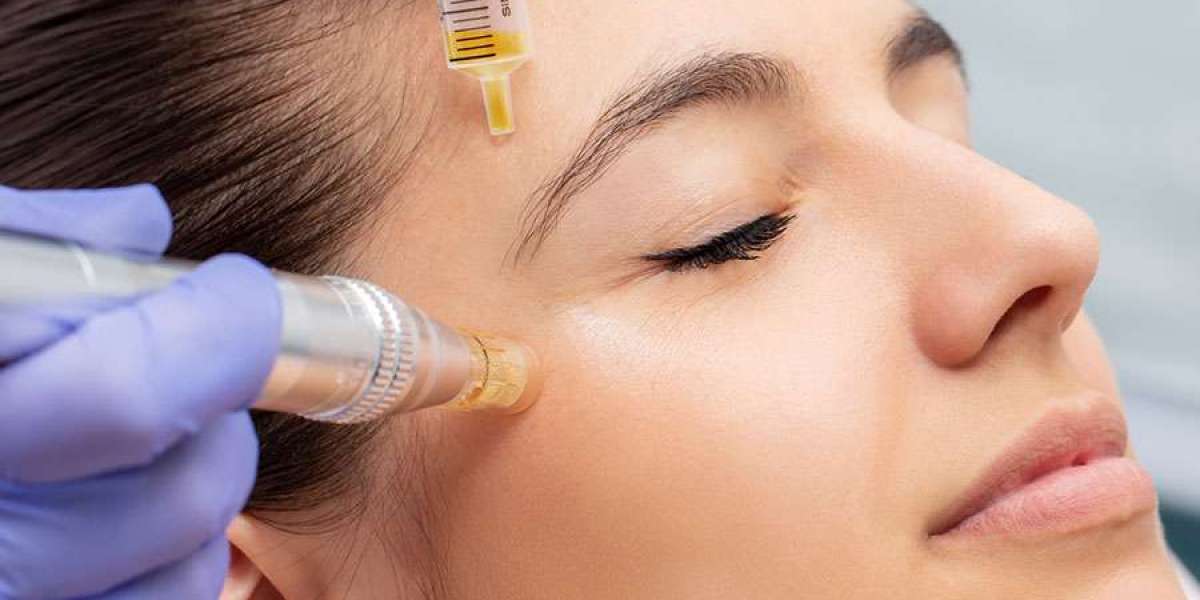

Hair loss affects millions of people worldwide, leading many to seek innovative solutions like PRP Hair Treatment. Platelet-Rich Plasma therapy uses a patient’s own blood to stimulate hair follicles, promote natural growth, and improve scalp health. While the procedure itself is minimally invasive, proper aftercare is crucial for maximizing results and ensuring long-term hair restoration. Following expert-recommended guidelines can enhance the effectiveness of the therapy, minimize side effects, and support healthy follicle function.
Immediate Care After PRP Hair Treatment:
The first few hours after a PRP session are critical for optimal recovery. Proper attention to the treated areas helps prevent irritation and supports platelet activity for hair growth.
Immediate care tips include:
Avoid touching, scratching, or rubbing the scalp
Refrain from washing your hair for at least 24 hours
Keep the scalp clean and dry to prevent infection
Apply any topical solutions recommended by your specialist
Avoid direct sun exposure immediately after the session
These steps help ensure that the plasma injected into the scalp remains active and effective.
Managing Mild Side Effects:
Mild redness, swelling, or tenderness is normal after a PRP session. Managing these side effects appropriately can improve comfort and prevent complications.
Common measures include:
Using a cold compress to reduce swelling
Taking over-the-counter pain relief if recommended
Avoiding tight headwear that may irritate the scalp
Monitoring injection sites for unusual redness or bruising
Staying hydrated to support natural healing
Proper management of minor side effects ensures a smoother recovery and minimizes disruption to daily activities.
Hair Washing and Styling Guidelines:
How you care for your hair in the days following PRP treatment significantly impacts results. Gentle care allows follicles to absorb growth factors and reduces the risk of irritation.
Key recommendations include:
Use a mild, sulfate-free shampoo for the first week
Avoid vigorous scrubbing or massaging the scalp
Refrain from chemical treatments like coloring or perming
Limit heat styling such as blow drying or straightening
Allow hair to air dry or use low heat when necessary
Following these guidelines supports scalp health and maximizes follicle stimulation from PRP therapy.
Avoiding Physical Stress and Exercise:
Excessive physical activity immediately after PRP treatment can increase blood flow to the scalp, potentially affecting platelet concentration and injection sites.
Recommended precautions include:
Avoid strenuous exercise or heavy lifting for 48 hours
Minimize activities that cause excessive sweating
Refrain from sauna or steam room use in the first two days
Keep the scalp protected from friction during exercise
Gradually resume normal workouts as recommended by your specialist
These precautions help maintain the integrity of the treated areas and improve treatment outcomes.
Nutrition and Hydration for Recovery:
Proper nutrition and hydration play a vital role in supporting platelet activity and follicle regeneration.
Tips for nutritional support include:
Drink plenty of water to maintain optimal blood flow
Consume protein-rich foods to support hair growth
Include vitamins and minerals such as biotin, zinc, and iron
Limit alcohol and excessive caffeine consumption
Maintain a balanced diet for overall scalp health
Good nutrition ensures that the body can effectively utilize the growth factors from PRP therapy.
Monitoring Progress and Hair Growth:
Tracking changes after PRP therapy helps gauge effectiveness and plan future sessions. Patients should have realistic expectations, as results develop gradually.
Monitoring tips include:
Taking photos at regular intervals for comparison
Noting changes in hair thickness, shedding, or density
Tracking any scalp irritation or unusual reactions
Discussing progress with your specialist during follow-ups
Adjusting treatment plans if necessary based on observed results
Monitoring progress ensures patients stay informed about their hair restoration journey and maintain motivation.
Maintenance Sessions and Long-Term Care:
PRP therapy often requires multiple sessions and ongoing maintenance for sustained results. Long-term care is essential for preventing hair loss recurrence.
Maintenance strategies include:
Scheduling follow-up sessions every 4–6 months as advised
Continuing supportive hair care routines at home
Using complementary treatments like topical medications if recommended
Protecting hair and scalp from sun damage and environmental stressors
Staying consistent with nutrition and hydration habits
Regular maintenance enhances long-term hair density and follicle health, maximizing the investment in PRP therapy.
Common Mistakes to Avoid After PRP Treatment:
Avoiding certain mistakes can prevent setbacks and ensure the therapy delivers the best possible results.
Mistakes to avoid include:
Scratching or massaging the scalp aggressively
Using harsh shampoos or chemical treatments too soon
Skipping follow-up sessions or maintenance treatments
Engaging in strenuous activities immediately after treatment
Neglecting nutrition, hydration, or overall scalp care
Awareness of these pitfalls helps patients protect their follicles and achieve consistent improvement.
Final Thoughts:
PRP Hair Treatment is a minimally invasive and effective solution for hair restoration, but the success of the therapy depends heavily on proper aftercare. From immediate care and managing side effects to nutrition, hair washing, and long-term maintenance, following expert guidance ensures optimal follicle stimulation and healthy scalp recovery. By avoiding common mistakes, tracking progress, and adhering to recommended routines, patients can maximize the benefits of PRP therapy and enjoy thicker, stronger, and healthier hair over time.