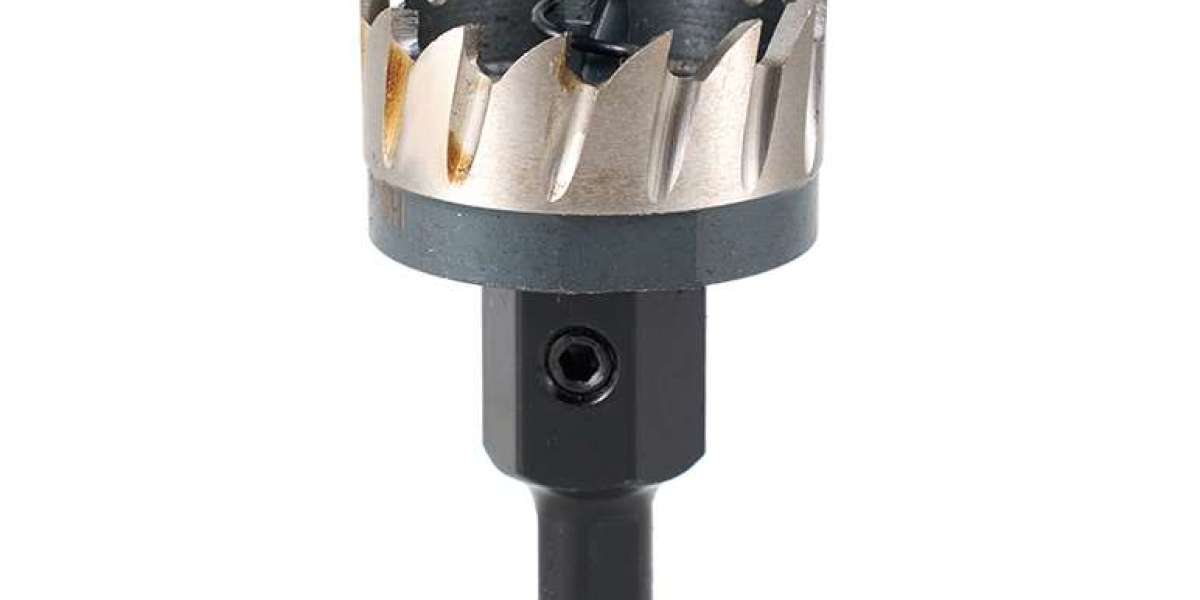

Understanding the Basic Tool Definition
A high speed steel hole saw is a cylindrical cutting tool manufactured from premium tool steel alloys designed to maintain cutting edge hardness at elevated temperatures generated during high-speed operation. Unlike carbon steel alternatives that lose temper when overheated, high speed steel retains its cutting ability even when friction raises temperatures significantly during continuous use. These saws feature toothed edges that cut circular holes in materials ranging from wood and plastic to thin metals and composites. The material properties make them the preferred choice for professional applications where cutting speed, durability, and consistent performance are essential requirements.
Material Properties and Advantages
The defining characteristic of any high speed steel hole saw is the metallurgical composition that enables exceptional performance. High speed steel contains alloying elements including tungsten, molybdenum, chromium, and vanadium that form hard carbides within the steel matrix. These carbides provide wear resistance that keeps cutting edges sharp through extended use. The material maintains its hardness at temperatures up to six hundred degrees Celsius, preventing the softening that ruins carbon steel tools during high-speed cutting. This heat resistance allows faster cutting speeds without tool degradation, improving productivity in demanding applications.
How High Speed Steel Hole Saws Are Manufactured
Material Selection and Metallurgy
Manufacturing high speed steel hole saws begins with precise control of alloy composition to achieve target performance characteristics. Different alloy grades offer varying balances of hardness, toughness, and heat resistance optimized for specific cutting applications. Molybdenum-based grades provide excellent toughness for interrupted cuts and variable material conditions. Tungsten-rich formulations maximize hot hardness for sustained high-speed operation. Cobalt additions further enhance heat resistance for the most demanding applications. The precise metallurgy determines how the finished saw will perform in different materials and operating conditions.
Forming and Fabrication Processes
The production of high speed steel hole saws involves specialized forming operations that create the characteristic cylindrical shape. Deep drawing processes transform flat blanks into seamless cylinders, maintaining uniform wall thickness throughout. Precision welding may be employed for certain designs, requiring exact control to create strong, consistent seams. Heat treatment follows, with carefully controlled temperature profiles that develop the full hardness potential of the high speed steel alloy. Multiple tempering cycles relieve internal stresses while achieving target hardness typically ranging from sixty to sixty-five on the Rockwell scale.
Tooth Grinding and Geometry
Cutting performance depends critically on the tooth geometry ground into high speed steel hole saws. Precision CNC grinding operations create tooth profiles optimized for specific materials, with variations in tooth count, rake angle, and clearance. Finer tooth counts with more teeth per inch produce smoother cuts in thinner materials, while coarser patterns provide faster cutting and better chip evacuation in thicker stock. Variable tooth spacing reduces harmonic vibrations that cause chatter and poor cut quality. The precision of grinding directly determines cutting speed, surface finish, and tool life.
Quality Control and Testing
Rigorous quality systems distinguish professional high speed steel hole saws from inferior alternatives. Dimensional inspection verifies diameter accuracy, concentricity, and wall thickness consistency. Hardness testing confirms proper heat treatment results across the tool. Metallurgical analysis validates alloy composition and carbide distribution. Cutting tests on standardized materials verify performance claims and identify any manufacturing defects. These quality measures ensure that every saw delivers the durability and cutting performance users expect from high speed steel tools.
Why High Speed Steel Hole Saws Matter for Industrial Cutting
Extended Tool Life
The wear resistance of high speed steel hole saws translates directly to longer useful life compared to less sophisticated materials. The hard carbide particles within the steel matrix resist abrasive wear from cutting action, maintaining sharp cutting edges through hundreds or thousands of holes. This extended life reduces tool replacement frequency, lowering consumable costs and minimizing production interruptions. In continuous operation settings, the durability of high speed steel saws provides predictable performance that supports efficient workflow planning.
Consistent Cut Quality
Throughout their service life, quality high speed steel hole saws maintain consistent cutting performance that produces uniform results. The material's wear resistance means that the hundredth hole cut with a saw is nearly identical in quality to the first. This consistency is essential in production environments where hole quality affects subsequent assembly steps or final product appearance. Operators can rely on predictable cutting behavior without constant adjustments to compensate for tool wear, improving both productivity and quality control.
Versatility Across Materials
The balanced properties of high speed steel hole saws make them effective across a wide range of materials encountered in industrial settings. In wood and wood products, they produce clean, splinter-free holes suitable for visible applications. In plastics, the controlled cutting action prevents melting and gumming that ruins cut quality. In thin metals up to moderate thicknesses, they deliver accurate holes without excessive burr formation. In composites, the smooth cutting prevents delamination and fiber tearing. This versatility reduces the number of specialty tools required, simplifying tool inventories.
Heat Resistance in Continuous Operation
When cutting at production speeds, friction generates significant heat that would ruin lesser tools. High speed steel hole saws maintain their hardness and cutting edge geometry even when operating temperatures rise during continuous use. This heat resistance enables faster cutting speeds without tool damage, directly improving productivity. In automated or production line applications where tools may run for extended periods, this thermal stability is essential for reliable operation and consistent output.
Compatibility with Existing Systems
Most high speed steel hole saws utilize standard mounting systems compatible with existing arbor setups used throughout industry. This compatibility allows users to upgrade to high speed steel performance without investing in entirely new mounting systems. Standard pilot drill designs ensure accurate hole placement and smooth entry. Quick-change arbors facilitate rapid size changes between cuts, improving workflow efficiency. This integration with standard systems makes adopting high speed steel technology practical for operations with existing tool inventories.
Cost Effectiveness Analysis
While high speed steel hole saws typically cost more initially than carbon steel alternatives, the economics favor their use in professional applications. The extended tool life means fewer replacements over time, often resulting in lower cost per hole cut. Reduced downtime for tool changes improves labor productivity. Consistent cut quality reduces scrap and rework costs. For operations cutting significant volumes, the total cost of ownership for high speed steel saws is substantially lower than cheaper alternatives that require frequent replacement.
Applications in Metal Cutting
High speed steel hole saws excel particularly in thin-gauge metal cutting applications where other tool materials struggle. Sheet metal up to several millimeters thick can be cut efficiently with proper technique, producing accurate holes for electrical, plumbing, and HVAC installations. The material's toughness resists chipping when encountering spot welds or variations in metal thickness. Proper lubrication during metal cutting extends tool life and improves cut quality, with high speed steel's heat resistance allowing effective use of cutting fluids.
Selection Considerations
Choosing the right high speed steel hole saw for specific applications requires consideration of several factors. Material to be cut determines optimal tooth configuration, with finer teeth for thinner materials and coarser patterns for thicker stock. Required hole diameter dictates saw size, with high speed steel available in a wide range from small electrical knockouts to large plumbing penetrations. Cutting conditions including power tool capabilities and accessibility affect choice of saw depth and configuration. Matching these factors to available options ensures optimal performance and tool life.