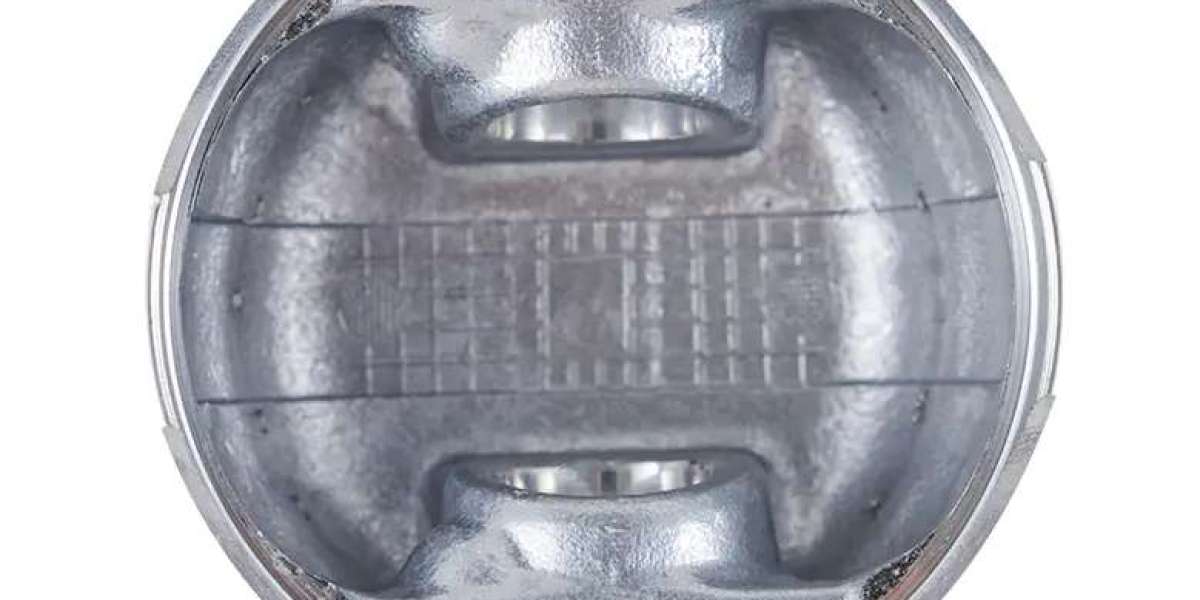

Understanding the Core Component Definition
A motorcycle piston is a precision cylindrical component that moves up and down within the engine cylinder, transferring the force of expanding combustion gases to the crankshaft through a connecting rod. This reciprocating motion converts the explosive energy of fuel ignition into rotational force that drives the rear wheel and propels the motorcycle forward. Pistons must withstand extreme temperatures reaching hundreds of degrees, high pressures from combustion, and rapid acceleration forces that can exceed several thousand Gs. In the demanding environment of motorcycle engines, particularly high-performance sport bikes, these components face stresses that push material technology to its limits.
The Critical Role in Engine Operation
The function of a motorcycle piston extends beyond simple force transfer. Pistons seal combustion pressure within the cylinder through piston rings that ride in precision-machined grooves, preventing blow-by that would reduce power and efficiency. They conduct enormous amounts of heat from combustion to the cylinder walls and cooling system, protecting engine components from thermal damage. The piston skirt maintains proper alignment within the cylinder, preventing metal-to-metal contact that would cause rapid wear or seizure. Each of these functions must be performed reliably through thousands of miles and millions of operating cycles.
How Motorcycle Pistons Are Manufactured
Material Selection for Motorcycle Applications
Manufacturing motorcycle pistons begins with careful selection of aluminum alloys formulated specifically for the unique demands of engine operation. Hypereutectic alloys containing high silicon content provide excellent wear resistance at the piston skirt where contact with cylinder walls occurs. The silicon particles embedded in the aluminum matrix create hard wear surfaces that maintain proper clearances over extended service life. Additional alloying elements including copper and nickel enhance high-temperature strength, preventing piston deformation under combustion loads. The material choice directly affects piston durability, weight, and thermal expansion characteristics.
Casting Processes for Production Volumes
Most original equipment motorcycle pistons are manufactured through sophisticated casting processes that balance cost, quality, and production volume. Gravity casting pours molten aluminum into molds, suitable for moderate-performance applications where manufacturing efficiency matters. Pressure die casting forces molten metal into dies under high pressure, producing denser components with better mechanical properties and finer surface finish. Some manufacturers utilize squeeze casting, which applies pressure during solidification to eliminate porosity while maintaining the ability to form complex geometries. Each method requires precise control of temperatures, pressures, and cooling rates to achieve consistent quality.
Forging for High-Performance Applications
High-performance and racing motorcycle pistons are typically manufactured through forging, the most demanding production process. Heated aluminum alloy blanks are placed between precision dies and subjected to tremendous pressure, forcing material to flow into the desired shape while aligning grain structure along stress lines. This grain flow creates pistons with exceptional fatigue resistance, able to withstand the extreme forces encountered in high-RPM racing engines. The forging process also produces denser material with no porosity, eliminating potential failure initiation points. While more expensive than cast alternatives, forged pistons provide the strength required for maximum performance applications.
CNC Machining to Final Specifications
After initial forming, all motorcycle pistons undergo extensive CNC machining that creates the final precision geometry required for reliable engine operation. Multi-axis machining centers cut the piston skirt to exact diameter specifications with tolerances measured in microns. Wrist pin bores are machined with precisely controlled location and surface finish to accept the connecting rod. Ring grooves are cut to exact widths and depths required for compression and oil control rings. Valve relief pockets may be machined into the piston crown to provide clearance. Each operation requires meticulous precision for proper engine function.
Why Choose Quality Motorcycle Pistons for Engine Performance
Compression Ratio and Power Output
The design of a motorcycle piston directly affects engine compression ratio, one of the fundamental determinants of power output. Piston crown shape determines combustion chamber volume at top dead center, with dome-shaped crowns reducing volume to increase compression and dish-shaped crowns increasing volume to lower compression.