
Understanding the Core Business Definition
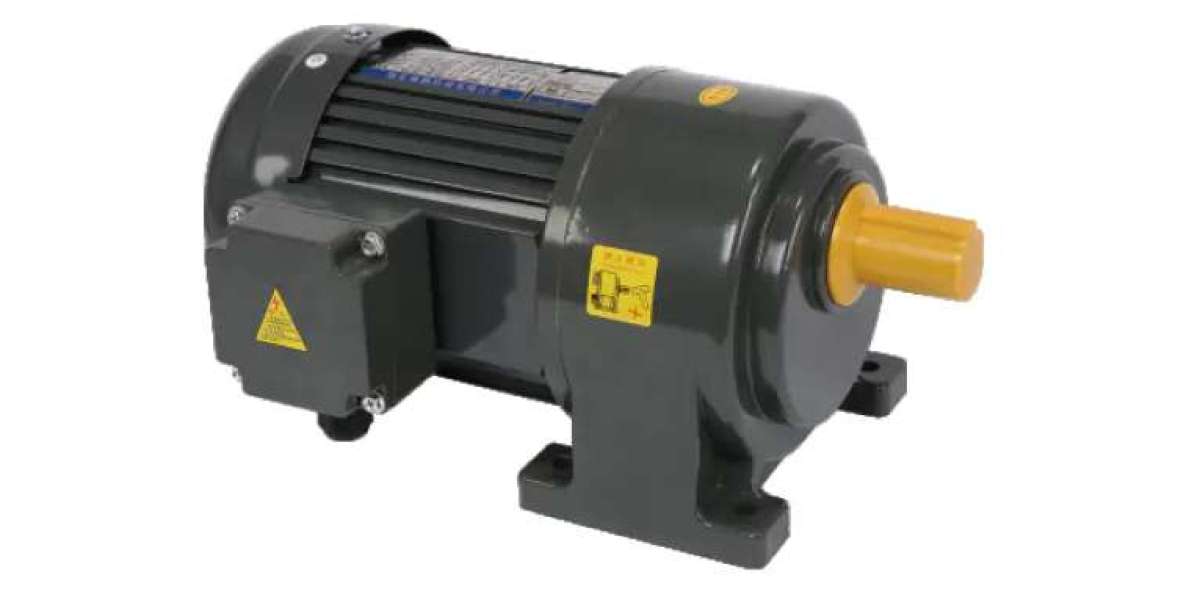
An AC gear motor factory is a specialized manufacturing facility that designs, engineers, and produces integrated drive units combining alternating current electric motors with gear reduction systems. These factories transform raw materials including steel, aluminum, copper, and magnetic components into precision power transmission solutions used across countless industrial applications. Unlike general motor manufacturers, AC gear motor factories possess specialized expertise in gear design, heat treatment, machining, and assembly processes that create reliable, efficient drive systems. Their products serve as essential components in conveyors, packaging machinery, material handling equipment, industrial automation, and countless other applications requiring controlled speed and increased torque from standard AC power sources.
The Integrated Manufacturing Environment
A modern AC gear motor factory operates as a complex, integrated production environment where multiple specialized processes come together. The facility typically includes machining departments with CNC equipment for producing gear components, stator winding lines for motor coil fabrication, assembly areas for unit integration, and testing stations for performance verification. Quality control laboratories monitor material properties and dimensional accuracy throughout production. This comprehensive capability allows factories to control every aspect of manufacturing, ensuring that finished gear motors meet exacting specifications for performance, reliability, and longevity required by industrial customers worldwide.
How Are AC Gear Motors Manufactured
Gear Manufacturing and Heat Treatment
The production of quality gear motors begins with precision gear manufacturing within the AC gear motor factory. Gear blanks are machined from steel stock, then teeth are cut using hobbing, shaping, or grinding processes that achieve exact tooth profiles and spacing. Helical gears, which are common in AC gear motors for their smooth, quiet operation, require specialized cutting equipment capable of producing angled tooth forms. After cutting, gears undergo heat treatment processes including carburizing, hardening, and tempering that achieve optimal surface hardness while maintaining tough, ductile cores. This heat treatment is critical for gear durability, enabling them to withstand years of continuous operation under load without excessive wear or fatigue failure.
Stator and Rotor Production
The electrical components of AC gear motors require specialized manufacturing processes within the AC gear motor factory. Stator laminations are stamped from electrical steel sheets, then stacked and insulated to form the motor's stationary magnetic circuit. Copper wire is wound into the stator slots using automated winding machines that ensure consistent coil placement and tension. Rotors are constructed from stacked laminations with aluminum or copper bars cast or inserted into the rotor slots, forming the squirrel cage that interacts with the stator's magnetic field. These components must be manufactured with precision to maintain the air gap between rotor and stator, which directly affects motor efficiency and performance.
Housing Fabrication and Machining
The structural components of AC gear motors require robust construction within the AC gear motor factory. Motor housings and gearboxes are typically cast from iron or aluminum, then precision-machined to create accurate mounting surfaces, bearing fits, and seal surfaces. Modern CNC machining centers perform multiple operations in single setups, ensuring concentricity between motor and gearbox components. Bearing fits must be held to tight tolerances to ensure proper support for rotating shafts while allowing free rotation without excessive clearance. Seal surfaces are finished to specifications that ensure lubricant retention and contaminant exclusion throughout the gear motor's service life.
Assembly and Integration
Final assembly within the AC gear motor factory brings together all components into complete, functional units. Gears are mounted on shafts with precise fits, bearings are pressed into housings, and motor rotors are inserted into stators. Shims and spacers adjust axial positioning to achieve proper gear engagement. Seals and gaskets are installed to retain lubricants and exclude contaminants. The assembly process requires clean, controlled environments to prevent contamination that could cause premature wear or failure. Skilled assemblers follow detailed procedures to ensure that each unit meets design specifications for fit, alignment, and function.